
close








How Quickly You Optimize Is What Counts
By Rosalene Glickman, Ph.D., creator of Optimal Thinking
Like any other threat, turbulent emotions are handled best when you are clear about what you are facing. When you understand your emotions, you can make better sense of emotionally charged situations, interpret your reactions, and employ them to optimize your response.
Your feelings are simply direct responses to your perception. They serve as your inner compass, signaling whether your experiences are pleasurable or painful. Sometimes they guide you with a whisper, and if you don’t heed their message, they increase their volume until you are forced to pay attention. Painful feelings alert you that your thinking or actions are not good for you, so that you can make changes in alignment with your highest calling.
In This Article
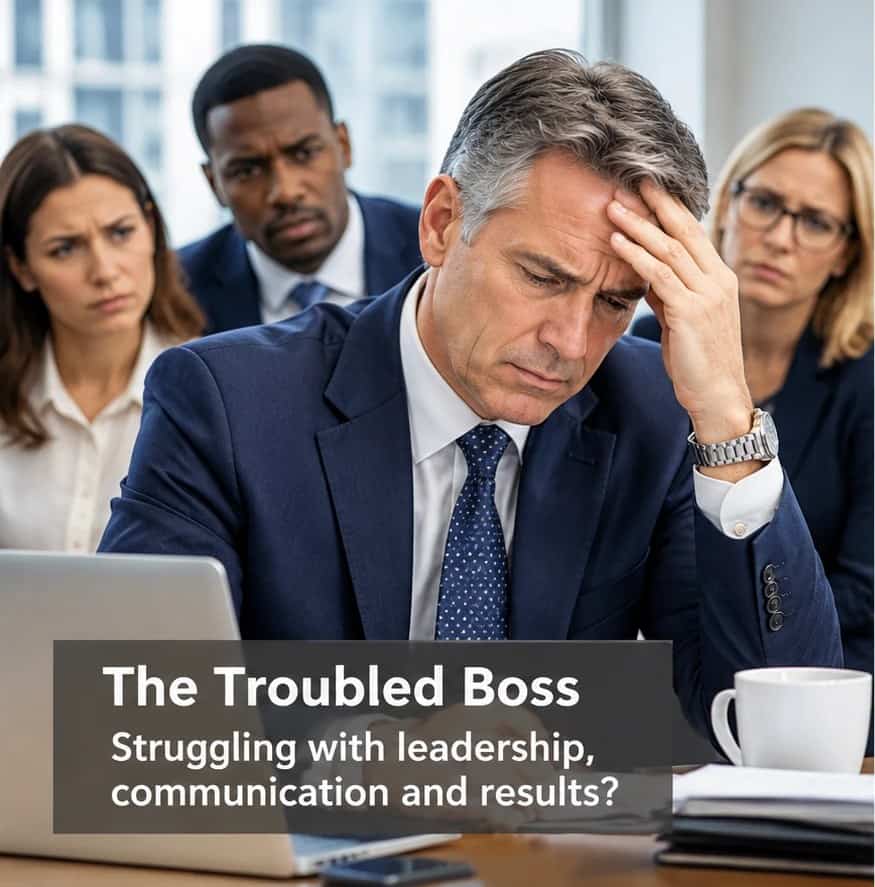
When leaders lack emotional intelligence, employees often feel powerless, anxious and frustrated. Functioning with unresolved emotional turbulence, their performance can be dramatically impacted. Many employees disconnect from the company’s mission and their daily responsibilities when they feel disrespected or unheard.
Unfortunately, many leaders don’t understand how to best resolve emotional distress. They divert conversations away from emotionally-charged issues, suppress legitimate concerns with superficial reassurances, and blame others when they feel anxious about their own shortcomings. Too many leaders view their feelings and thoughts as separate and incongruent parts of themselves. They don’t understand emotions or the messages they signal, and are ill equipped to help their people master them.
Threatened by troublesome feelings, some leaders use food, alcohol, drugs, gambling and other addictions to avoid them. They gain temporary relief, but as soon as their defenses are down, the feelings return, and their performance is compromised.
Your passion indicates what has meaning or importance for you and provides the motivation that propels you to accomplish your goals. You experience your best feelings when your best self is in charge, and your most important needs are met.
So where does Optimal Thinking fit in? You have the best chance of meeting your needs when you think, feel, and give your best. Optimal Thinking is the vehicle that enables you to call forth your highest self to maximize your emotional literacy, make the most of your feelings, best meet your needs, and achieve what is most important.
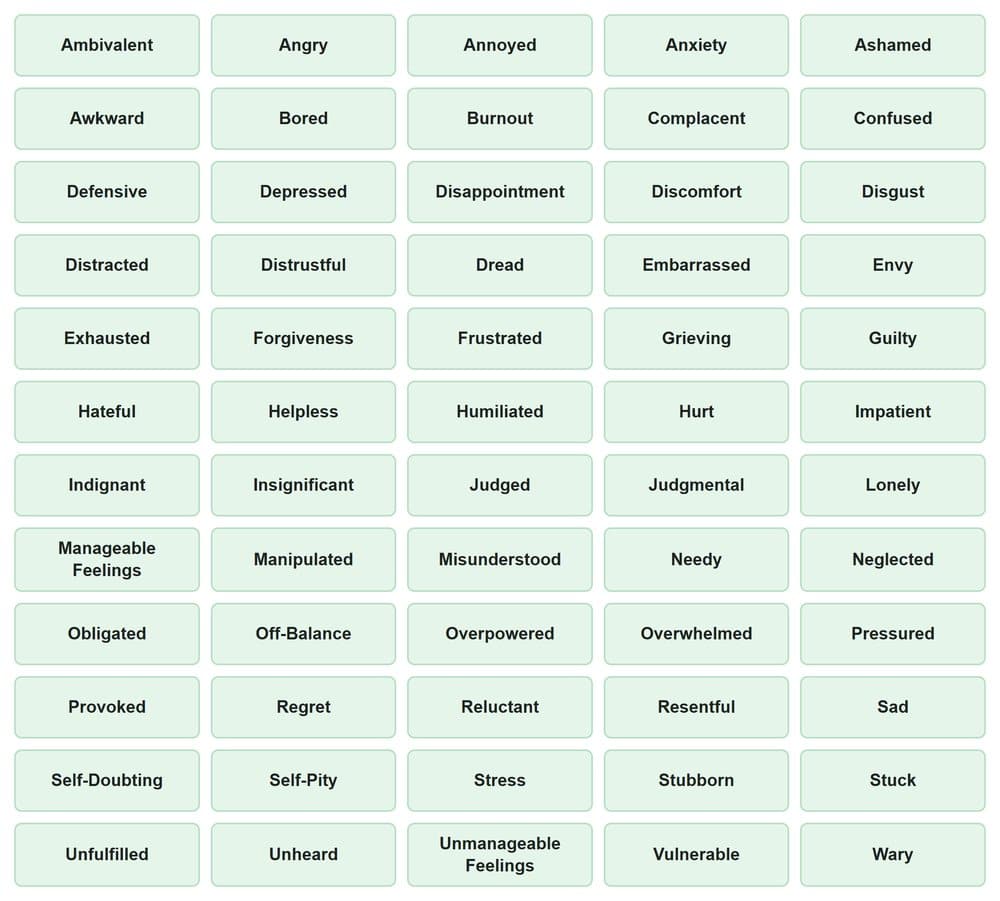
First allow yourself to feel the emotional turmoil. Keep in mind that you are the source of all your feelings. You are always responsible for your emotional responses, so make sure your primary focus is internal. Blaming others for your feelings is a waste of your energy. People and situations only trigger what is already inside you. Observe the pain, then validate and appreciate yourself for your willingness to accept your troublesome feelings.
When you understand what you are doing to create your emotional turmoil, you can avoid unnecessary reoccurrence. By identifying the origin and purpose of the beliefs that are fueling your emotional turbulence, you can access the most constructive response. Ask questions like:
When you deal with your feelings as soon as you are aware of them, you live wholly in the present moment where you can most influence your life. Of course, your perception and interpretation of current events is often colored by your past experiences. As you uncover and correct the erroneous beliefs from the past that are causing you to create turbulence in the present, you will free yourself to be fully present. You can answer these questions:
Optimal Thinking leaders employ emotional undercurrents and conflicts to maximize performance. They utilize Optimal Thinking Emotional Mastery Roadmaps and align their people, mentally and emotionally, with their most important objectives.
Optimal Thinking leaders exercise supreme emotional self-reliance, by processing and best resolving feelings as they occur to optimize, not just manage, themselves and their results. Isn’t this what emotional intelligence is really about?
You can obtain Emotional Mastery Wallet Cards for your team at OptimalThinking.com. To learn more about Optimal Thinking, visit OptimalThinking.com.

Your Next Step
Put Accept, Understand, Optimize™ to Work
The Emotional Mastery App for Organizations gives your people 60 step-by-step roadmaps to resolve 60 disturbing emotions in real time. Calculate what emotional downtime is costing you.
Emotional Mastery for Organizations Executive Coaching With Dr. Glickman
Resolve disturbing emotions in real time, and minimize emotional downtime.
For Your Organization
All 60 step-by-step roadmaps, for one year
$45
per employee per year, Team License for 10 to 49 people
50 to 249 people: $35
250 or more people: from $25
See all licenses
For You
20 step-by-step roadmaps, for one year
$9.95
launch fee, available until December 31, 2026
The regular annual fee is $19.95.
Prefer to begin with a pilot? Start a 90-Day Pilot for 10 or more people. Your fee is credited in full toward your annual license.
Rosalene Glickman, Ph.D. is the creator of Optimal Thinking and best-selling author of Optimal Thinking (Wiley, 7 printings, 17 languages), hailed by academia and the media as “the successor to positive thinking” and “the basis of best practices and peak performance.” She has provided more than 32,000 hours of one-on-one coaching to Fortune 500 and YPO leaders. Based on those hours, Optimal Thinking Executive Coaching averages 11.98x ROI in 12 months.
Her clients include Johnson & Johnson, the U.S. Army, Delta Air Lines, Coca-Cola, BP, Bristol-Myers Squibb, Warner Bros., Red Bull, the Internal Revenue Service and the Young Presidents’ Organization. She has been featured on Bloomberg TV, Fox News Channel and CBS Weekend Magazine and in USA Today, Inc. magazine, Government Executive Magazine and Association Management Magazine.
Dr. Glickman has been repeatedly honored by the media as “Australia’s most successful woman.” She is the recipient of the “Woman of the Year” award for National Business Women’s Week in Hollywood, was nominated for The Order of Australia, and has ranked within the top 20 global personal development experts for 25 years. She holds a Ph.D. in Psychology and lives in Los Angeles.

Faced with tough workplace challenges? Ready to optimize your leadership and performance?
Optimal Thinking Executive Coaching averages 11.98 x ROI in 12 months.





Comments are closed.